Angel Aerials
0-1 Drone UX leads to US Army opportunities
Gallery
Swipe or click arrows to browse
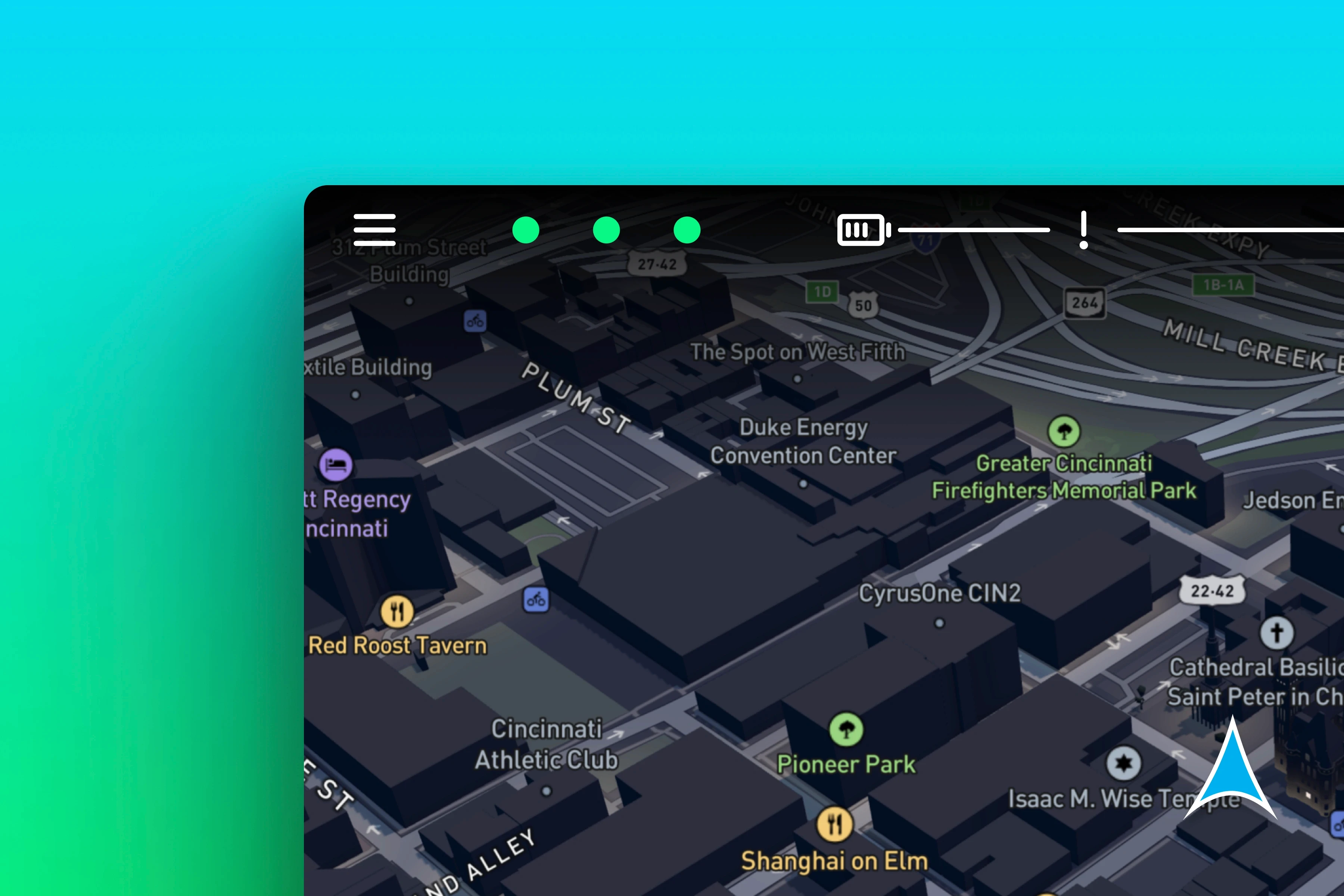
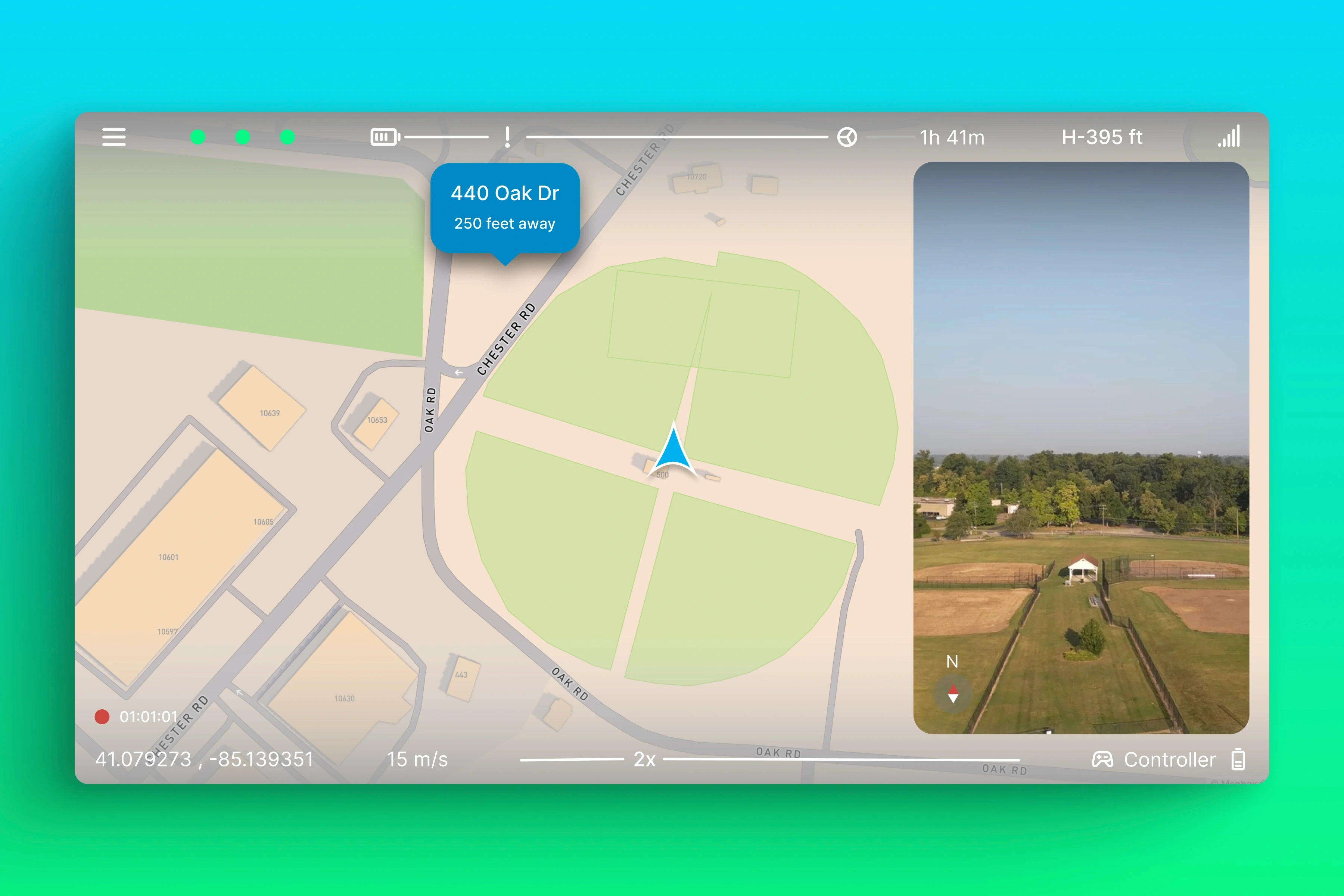
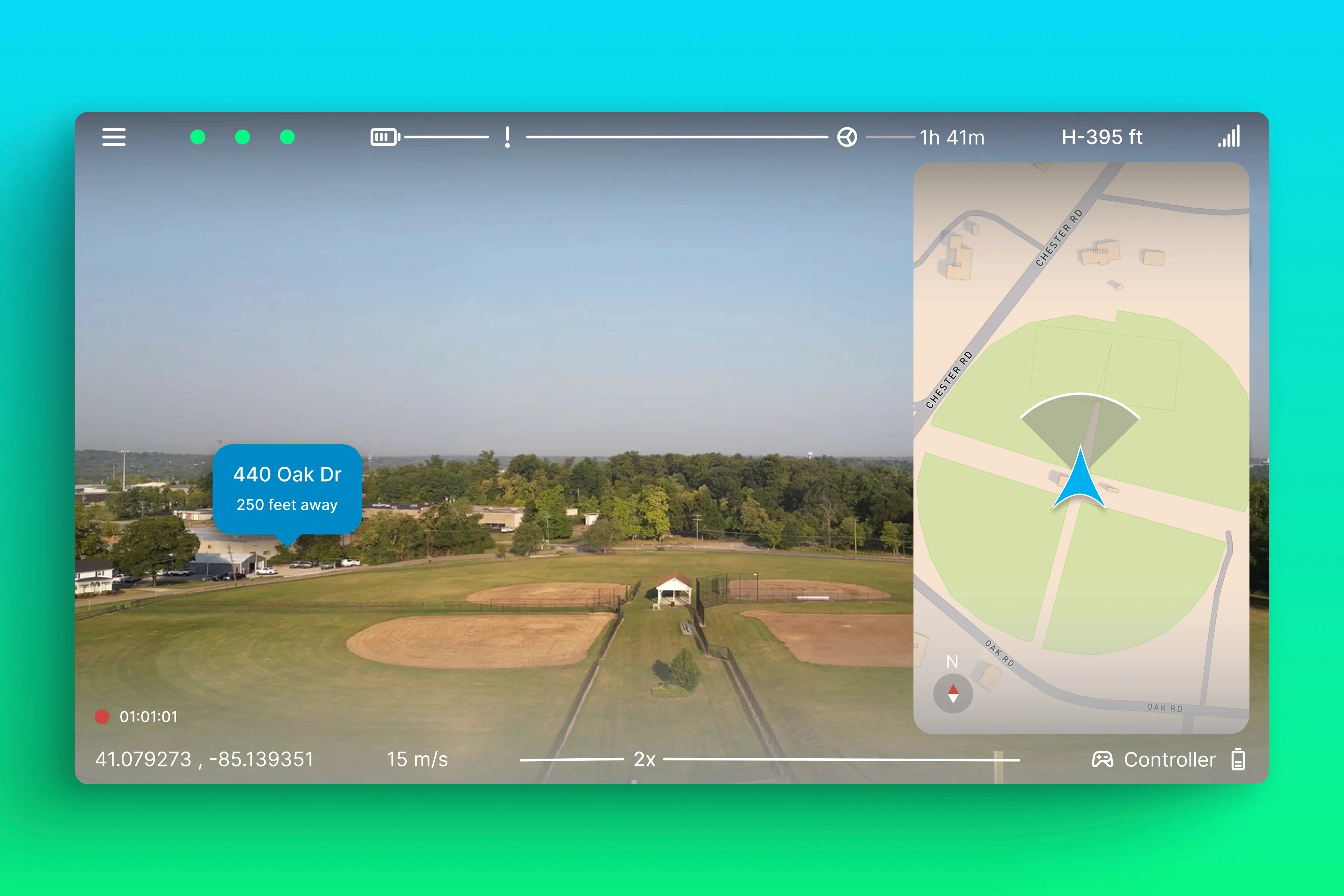
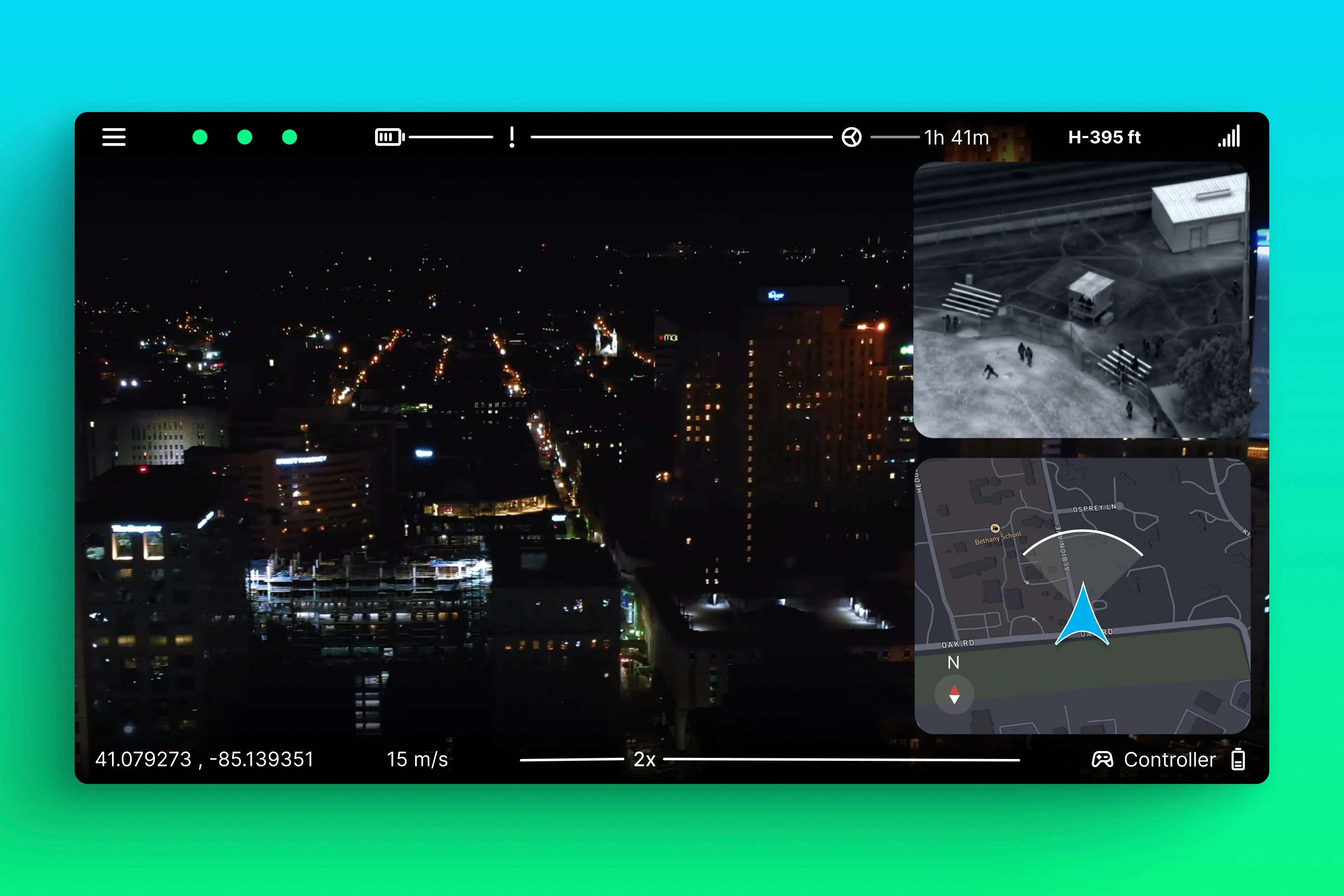
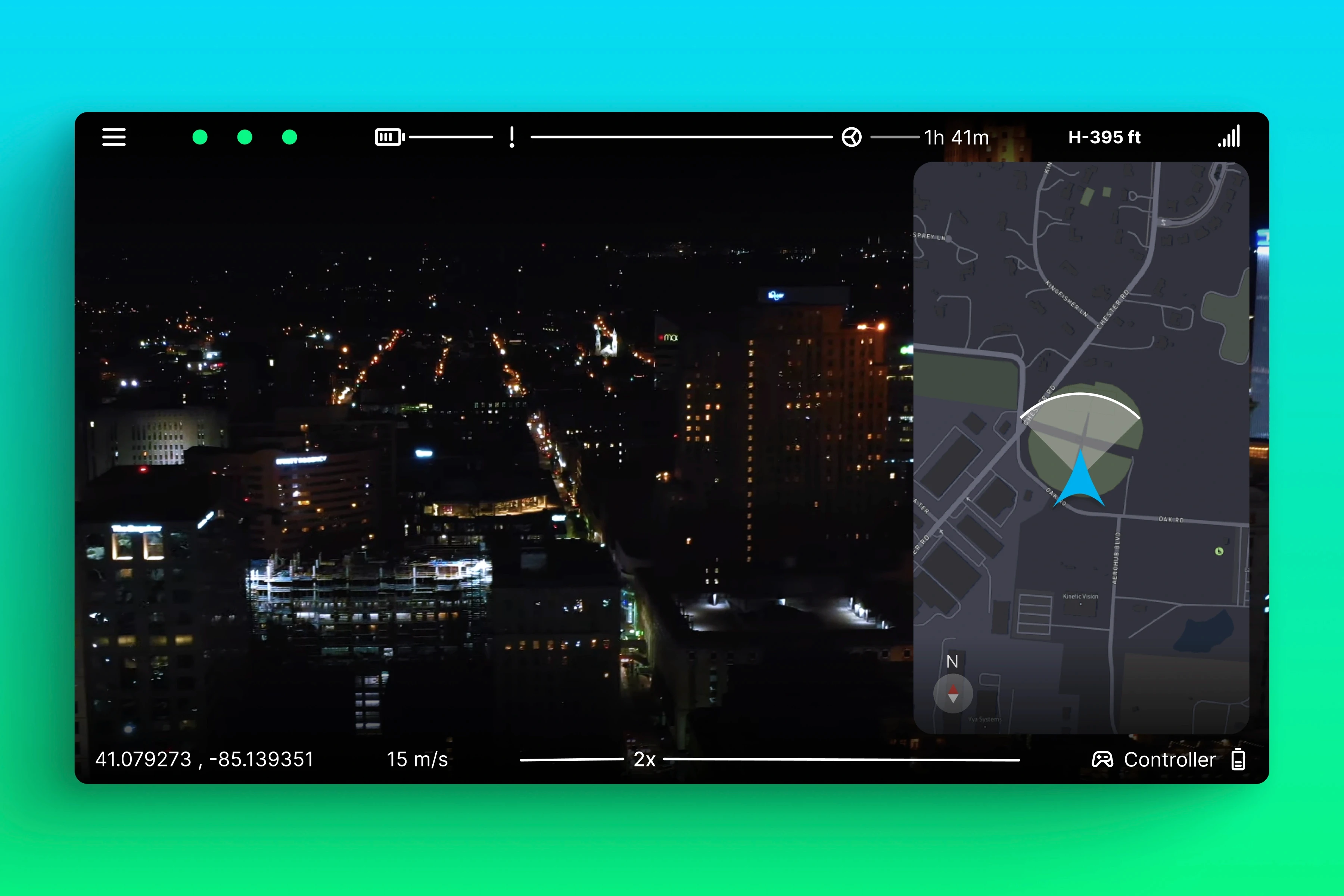
Designing a zero-to-one flight experience for a new class of long-endurance drone
Field-researched with public-safety agencies, validated by experienced U.S. Army drone pilots, and expanded through grant-funded interface development.
Role: Fractional Product Design Lead
Scope: Product strategy, design sprint facilitation, field research, interaction design, prototyping,
usability testing
Product: Long-endurance public-safety drone platform and range-extending repeater system
The challenge
Angel Aerial had developed a technically promising long-endurance drone, but the end-to-end operator experience—from unboxing and setup through flight and landing—had not yet been defined.
I was brought in to design that experience from zero.
From sprint to field research
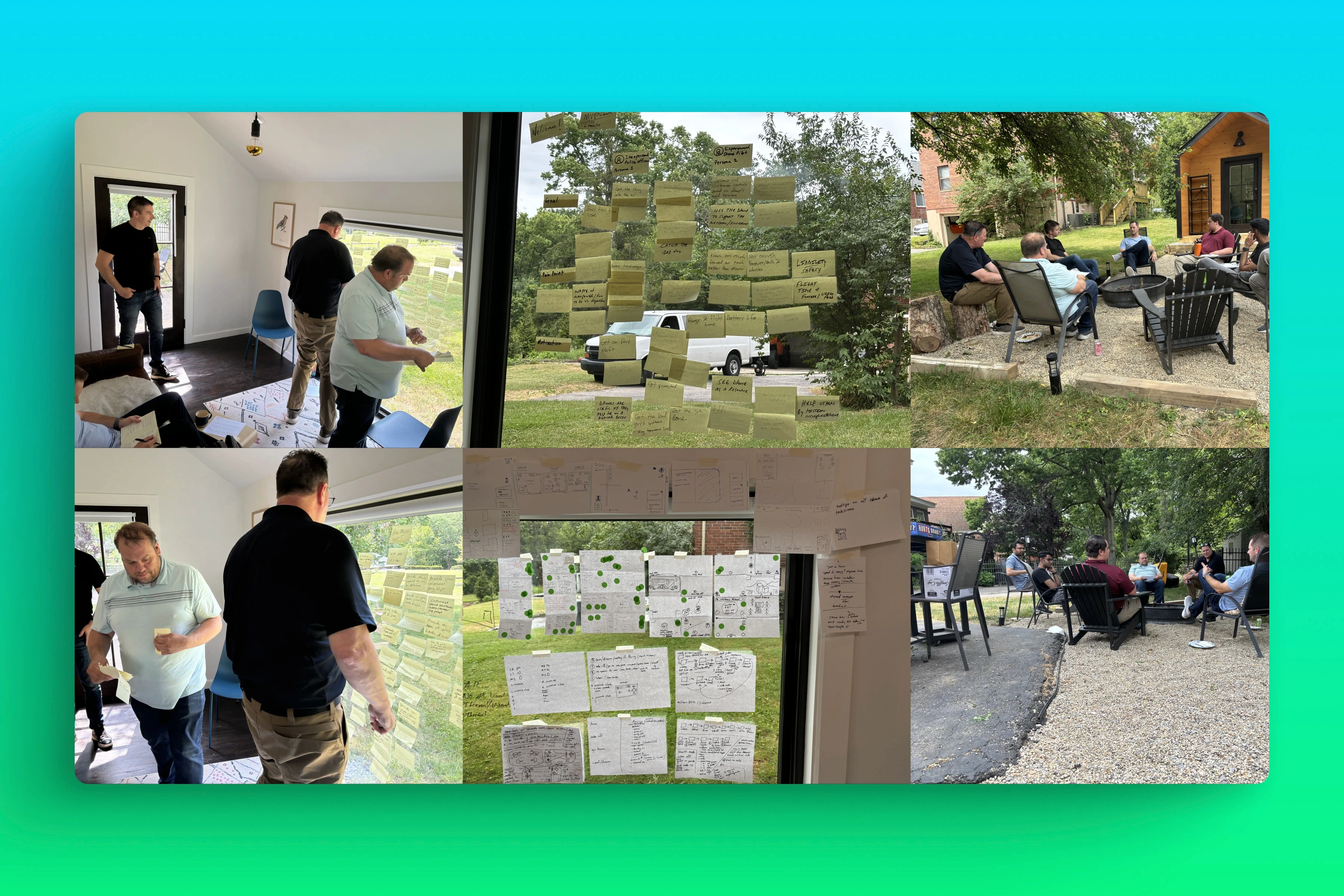
I began by facilitating a design sprint with the founder and core team, then prototyped and tested the initial direction with users.
I followed that work with ethnographic field research alongside the Cincinnati Police Department and other public-safety users, using what we observed to improve the controller and overall flight experience.
Designing for simplicity
The founder and I established a clear design principle early:
Every element on screen had to justify its existence.
We documented major design decisions across iterations and regularly pushed back on requests to add controls simply because competing drone products included them.
A homicide detective with 25 years of experience later told us:
“I love how simple the screen is. Things I thought I needed on the screen, I realized I don't actually need.”
Expert validation
The refined system was later flown by experienced U.S. Army drone pilots, who responded very positively to the user experience.
That validation helped lead to grant funding for continued interface innovation.
I then designed the experience for a second, repeater drone that could extend the operational range of the primary aircraft without significantly increasing operator complexity.
Result
The engagement grew from an initial design sprint into a long-term fractional product-design partnership spanning research, interaction design, testing, and multi-aircraft system design.
Their test flights have gone so well that they have attracted the interest of the US Army, where some of their top pilots had this to say about their Angel Aerial drone flying experiences:
“Best f*cking drone I’ve ever flown.”
“I’d take this over any of the other drones we have right now.”
“The hype was real.”
Angel Aerial is now in discussions with the U.S. Army around the potential purchase of as many as 40 aircraft.
Design principle
Simplicity isn't the absence of complexity. It's knowing which complexity actually belongs in front of the user.

Working with Lance on a design sprint at Angel Aerial Systems was a game-changer. He brought a sharp focus to creating simple, intuitive user interfaces with a clean, purposeful aesthetic that matched the high-performance nature of our platform. Lance didn’t just design in a vacuum—he connected directly with our customers, challenged our assumptions, and helped validate what truly mattered in the field. His thoughtful approach and design sensibility made a real impact on both the product and our team.